THE aRK JOURNAL / STYLE & GUIDANCE
Lab-Grown Diamonds vs. Moissanite: A 2026 Holiday Gift Guide

Walk into almost any jewelry store in the US this season and you'll hear the same question at the counter: "Is that lab-grown, natural or moissanite?" Lab-grown diamonds and moissanite have moved from niche to mainstream, and they are among the most asked-about gifts heading into the 2026 holidays. More shoppers are also buying for themselves, not only for someone else.
All three stones can look stunning, but they are not the same thing. Each one makes sense for a different kind of buyer. Here's a clear, no-pressure guide to what each stone is, how they compare, and how to pick the one that fits your budget and the person you're shopping for.
What Is a Lab-Grown Diamond?
A lab-grown diamond is a real diamond. It has the same carbon crystal structure, hardness and sparkle as a mined stone. The only difference is where it formed: in a controlled lab environment instead of deep underground over millions of years. Even a trained jeweler can't tell the two apart without specialized testing equipment.
- Hardness: 10 on the Mohs scale, the same as a natural diamond.
- Look: The same brilliance and fire, graded on the same 4Cs (cut, color, clarity and carat).
- Price: Usually a fraction of a natural diamond of the same size and quality, so you can often go bigger or choose a higher grade for the same budget.
- Paperwork: Reputable lab-grown stones come with a grading report that clearly states the stone is laboratory-grown.
What Is Moissanite?
Moissanite is a different gemstone entirely. It's made of silicon carbide, not carbon. It was first found in tiny amounts in a meteor crater, and nearly all moissanite sold today is created in a lab. It is not a diamond and should never be sold as one, but it has become a popular choice in its own right.
- Hardness: 9.25 on the Mohs scale, durable enough for everyday rings.
- Look: More "rainbow" fire than a diamond. In sunlight you'll see flashes of color that some people love and others find a little too much.
- Price: Typically the most budget-friendly of the three for a large, eye-clean stone.

Lab-Grown Diamond vs. Moissanite vs. Natural Diamond
There is no wrong answer here. It comes down to what matters most to you or the person you're buying for.
- Choose a natural diamond if rarity, tradition and long-term heirloom value matter most.
- Choose a lab-grown diamond if you want a true diamond with a larger look or better grade for your budget.
- Choose moissanite if you love extra sparkle and color and want the most size for the lowest price.
One honest note: lab-grown diamond prices have been falling as production grows, so don't expect strong resale value. Buy one because you love wearing it, not as an investment.
Holiday Gift Ideas by Stone
Not every gift has to be an engagement ring. Some of the most popular holiday pieces this year are smaller, everyday styles:
- Stud earrings: Lab-grown diamond studs are a classic first "real diamond" gift and work with everything. Browse our earrings for everyday pairs.
- Solitaire pendants: A single stone on a fine chain is easy to wear daily and simple to layer. See our pendants.
- Tennis bracelets: Moissanite and lab-grown diamonds have made this once out-of-reach style far more affordable. Explore bracelets.
- Statement rings: A larger center stone or a halo setting makes a big impression without a big-ticket price. Shop rings.
Questions to Ask Before You Buy
Whatever stone you choose, a few smart questions protect your purchase:
- Is there a grading report? For diamonds over about half a carat, ask for an independent grading report that names the stone as natural or laboratory-grown.
- What metal is the setting? Solid 14K or 18K gold and platinum hold up far better than plated metal for daily wear.
- What's the return or exchange window? Holiday gifts often need a size swap in January, so check the policy before you check out.
- Is resizing included? Some ring styles, such as eternity bands, can't be resized easily.
Caring for Your Stone
All three stones are durable, but they still collect lotion, soap and everyday grime that dulls their sparkle. Soak them in warm water with a drop of mild dish soap, brush gently with a soft toothbrush, rinse and pat dry. For a deeper guide, read how to clean and care for diamond jewelry.
Short Summary
Walk into almost any jewelry store in the US this season and you'll hear the same question at the counter: "Is that lab-grown, natural or moissanite?" Lab-grown diamonds and moissanite have moved from niche to mainstream, and they are among the most asked-about gifts heading into the 2026 holidays. More shoppers are also buying for themselves, not only for someone else.
FAQs
Can people tell if a diamond is lab-grown?
Not by eye. Lab-grown and natural diamonds look identical, and telling them apart takes specialized lab equipment. The grading report and any laser inscription on the girdle will state the origin.
Does moissanite get cloudy over time?
Quality moissanite doesn't turn cloudy. If it looks hazy, it usually just needs a cleaning to remove oil and residue.
Which stone is best for an everyday ring?
Diamonds, whether natural or lab-grown, are the hardest and most scratch-resistant. Moissanite is a close second and holds up very well to daily wear.
Banner photograph: Pexels. Thumbnail photograph: Pexels. In-article photograph: Pexels. Real photographs used under the Pexels License.
Related products & services
Explore pieces and guidance connected to this article.
Loading related pieces…
Related blogs

Should Your Wedding Ring Match Your Partner’s? A Modern Couple’s Guide
Choosing wedding rings is an exciting part of getting ready for marriage. For some couples, finding two rings with the same metal, finish, and design feels like the perfect way to celebrate
Read article →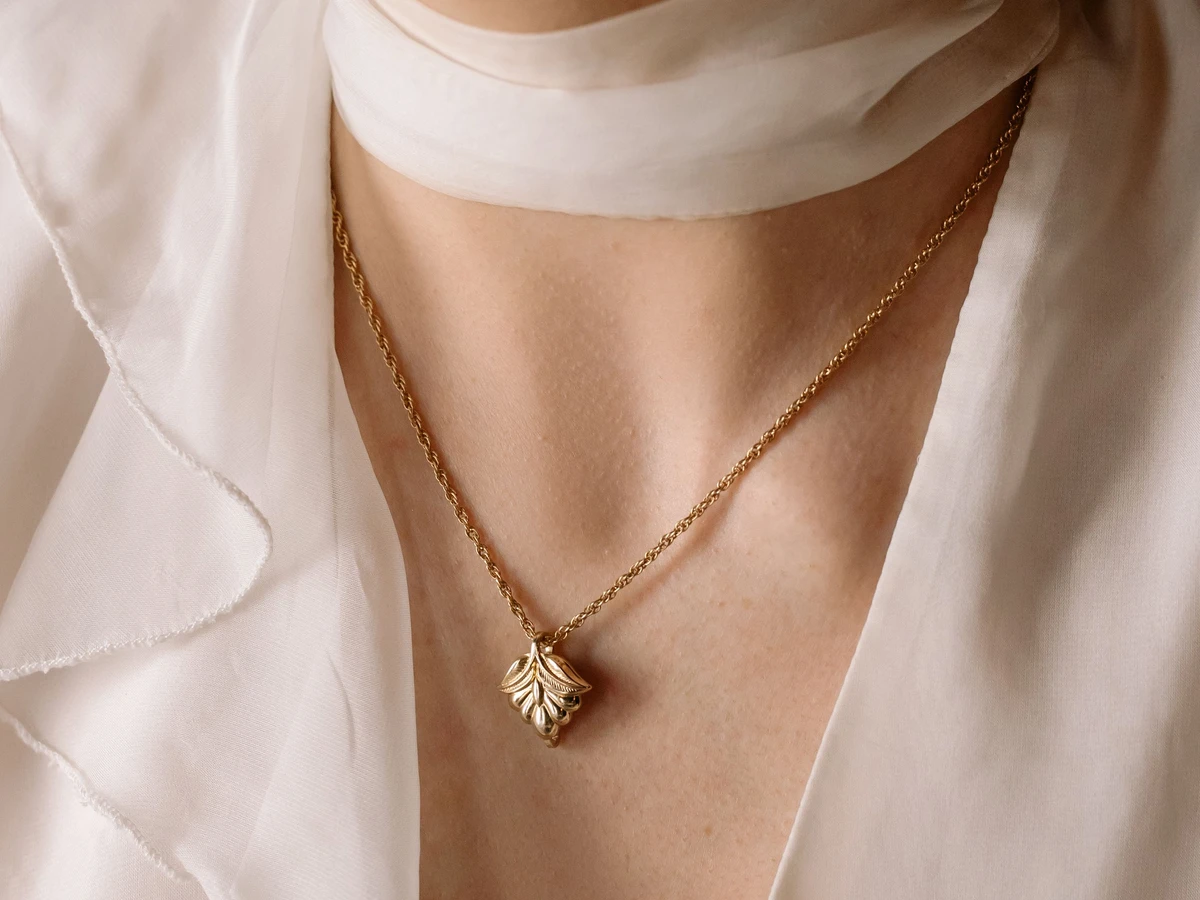
Personal Gold Jewelry Gifts for the 2026 Holiday Season
The best gold jewelry gifts rarely come from a trend list. They come from paying attention: the tiny hoops your sister wears to every brunch, the chain your partner never takes off, the ring
Read article →