THE aRK JOURNAL / STYLE & GUIDANCE
How to Clean and Care for Diamond Jewelry
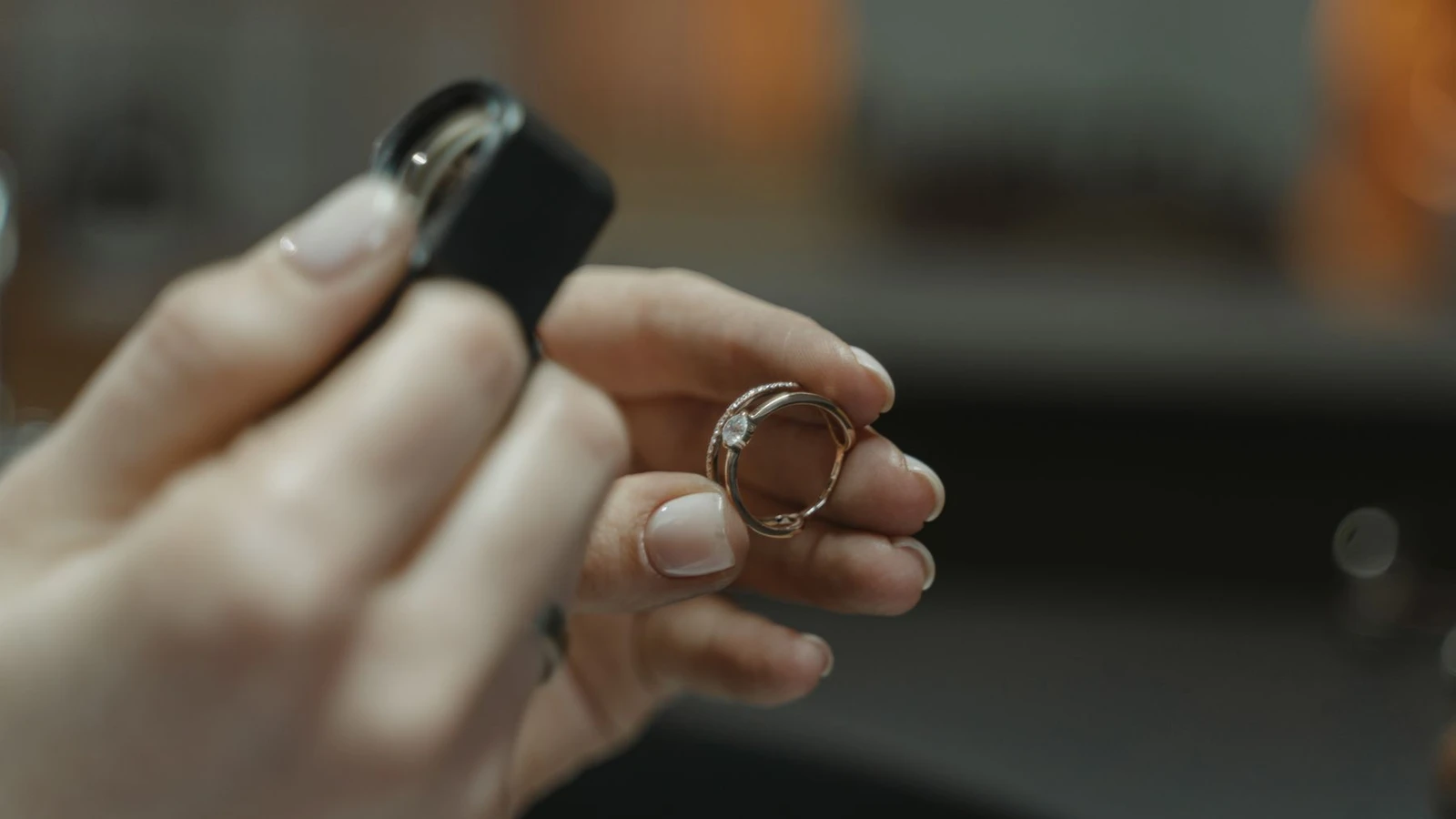
Diamond jewelry can pick up a film of lotion, skin oils and everyday residue that softens its sparkle. A gentle care routine helps you enjoy the details of your favorite ring, earrings, necklace or bracelet while giving you a chance to notice a setting that needs attention.
This guide explains how to clean and care for diamond jewelry at home, what to avoid and when to leave the work to a jeweler. Always follow the instructions for your particular piece: its metal, other gemstones, treatments and construction all affect the right approach.
Before You Clean: Check the Whole Piece
Look at the jewelry under good light. If a stone appears loose, a prong catches on clothing, a clasp no longer closes securely or the piece has suffered a hard knock, set it aside for inspection. Cleaning is not a repair, and extra scrubbing will not fix a damaged setting.
Ask your jeweler before soaking antique pieces, glued settings, treated stones or jewelry that also contains pearls or other delicate gems. A method suitable for the diamond may not suit everything around it. Keep any care instructions with your purchase records so they are easy to find.
How to Clean Diamond Jewelry at Home
For a sound piece whose materials and treatments allow wet cleaning, gather a small bowl, warm water, mild dish soap, a clean soft toothbrush reserved for jewelry and a lint-free cloth. Work on a stable surface away from an open drain.
- Prepare a gentle solution. Add a few drops of mild dish soap to warm water. Avoid very hot water and strong household cleaners.
- Loosen the residue. Let the piece soak gently if its care instructions permit. Do not leave delicate or unfamiliar jewelry soaking without advice.
- Brush lightly. Use the soft brush around accessible areas, including the underside of the diamond. Avoid forcing bristles beneath prongs or pressing on small accent stones.
- Rinse in a separate bowl. Use clean water to remove soap, keeping the piece safely away from the sink drain.
- Dry carefully. Pat with a soft lint-free cloth and let remaining moisture dry before storage.
For the cleaning method behind these steps, see GIA's guidance on keeping diamonds sparkling.
Diamond Jewelry Cleaning Mistakes to Avoid
Skip toothpaste and abrasive household powders. A diamond's hardness does not protect the surrounding metal from scratches. Bleach and other harsh cleaning products can damage jewelry materials, so remove your jewelry before household cleaning.
Do not scrape dirt away with a pin or a hard tool. If residue remains after gentle cleaning, ask a jeweler to assess it. Take particular care around small stones and intricate settings; they need a light touch. Learn more in GIA's jewelry care guide.
Are Ultrasonic Cleaners Safe for Diamond Jewelry?
An ultrasonic cleaner is not suitable for every piece. Its vibrations can loosen stones, and some treatments or inclusions make a gem vulnerable. Fracture-filled diamonds require particular caution. Other gemstones in the same piece may also rule out ultrasonic cleaning.
Have a qualified jeweler check the stone, treatment and setting before using ultrasonic equipment. Do not assume that a home machine is safe because the jewelry contains a diamond. GIA explains the limitations of ultrasonic cleaners.
Everyday Habits That Protect Diamond Jewelry
Plan a regular place to put your jewelry when you take it off. A small lined tray in a safe location is easier to remember than several temporary hiding places. Before leaving home or traveling, check that you have secured each clasp and earring back.
Remove rings before activities that put pressure on the band or expose the setting to hard impacts. Diamonds resist scratching, but they can still chip when struck in a vulnerable direction. If a ring feels different after a knock, arrange an inspection before wearing it again. See GIA's advice on protecting a diamond engagement ring.
How to Store Diamond Rings, Earrings and Necklaces
Use individual soft compartments or pouches to keep pieces from rubbing against each other. Separate necklaces so chains are less likely to tangle, and keep earring pairs together. Put jewelry away dry and avoid leaving it loose in a handbag or travel case.
Make your storage routine easy to repeat: choose one compartment for your everyday ring, another for earrings and a separate place for pieces worn only on special occasions. A simple arrangement also makes it easier to notice when something is missing.
When to Ask for Professional Cleaning or Inspection
Book an inspection if you notice movement in a stone, a bent prong, repeated snagging or damage after an impact. A professional can assess whether cleaning is appropriate and whether the setting needs work first. Ask for an inspection schedule suited to the design and how often you wear it.
For help deciding what information to provide, share a clear description of the piece and the change you noticed. You can request jewelry care guidance or read our broader jewelry care guide.
A Small Routine for Lasting Enjoyment
Gentle cleaning, thoughtful storage and attention to changes in the setting make diamond jewelry care easier to manage. Follow the instructions for your piece, choose a routine you can maintain and ask for help whenever something feels different.
Explore rings, earrings and bracelets, or learn how to choose everyday jewelry for comfort and style.
Photography Credits
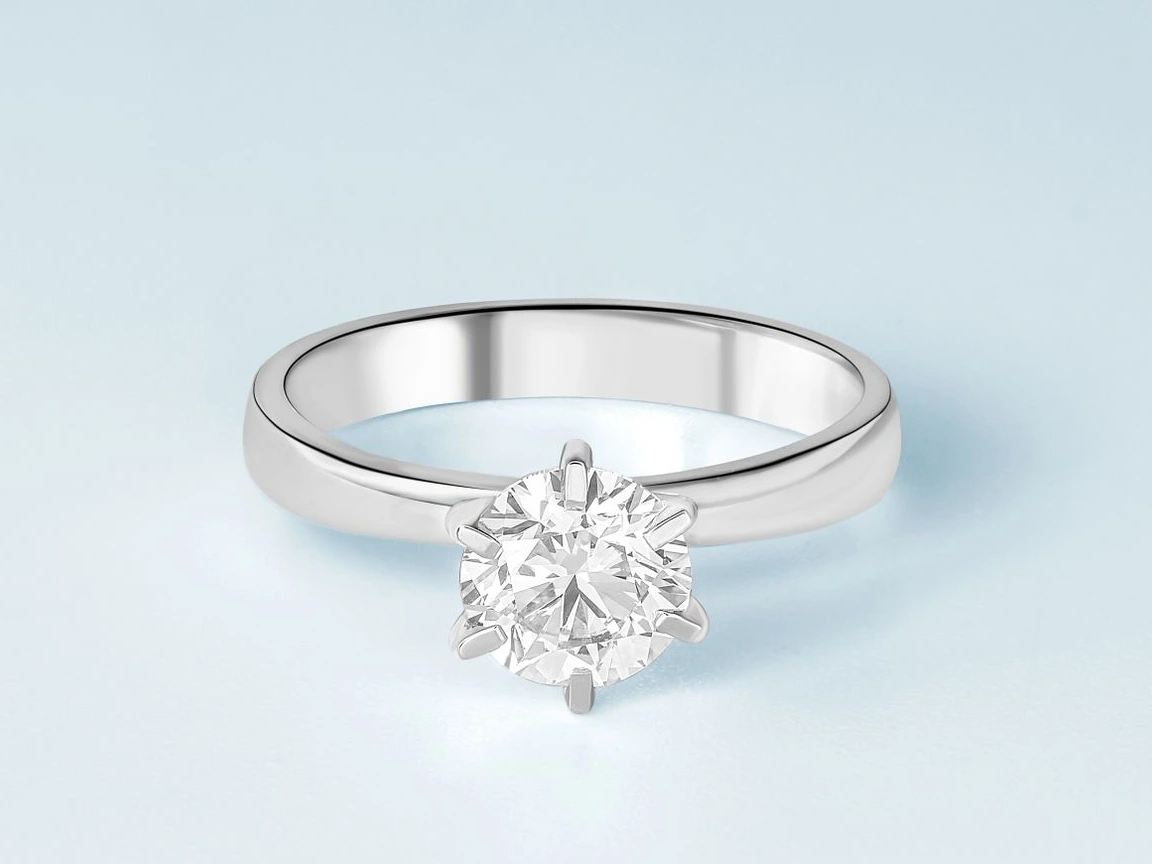
Banner: Tima Miroshnichenko / Pexels. Thumbnail: peter huang / Pexels. Real photographs used under the Pexels License; cropped and resized for this article. Images illustrate jewelry care and do not depict aRK staff or a specific product offered for sale.
Short Summary
Keep diamond jewelry looking its best with gentle cleaning, careful storage and regular checks of its setting. Follow care instructions for the whole piece, including other gemstones and any treatments. Avoid harsh cleaning methods and ask a jeweler for help if stones feel loose or a piece needs professional attention.
Frequently Asked Questions
How often should I clean my diamond ring?
Use visible buildup and your jeweler's care instructions as a guide. A frequently worn ring may need more attention than an occasional piece. Keep cleaning gentle and arrange an inspection if the setting changes.
Can I clean a diamond ring with toothpaste?
Avoid it. Abrasive ingredients can scratch jewelry metals. Use a method approved for the entire piece instead.
Can I put all diamond jewelry in an ultrasonic cleaner?
No. Treatments, inclusions, other gemstones and the security of the setting affect suitability. Have a jeweler check the piece first.
Why does my diamond still look cloudy after cleaning?
Residue may remain in a hard-to-reach area, but appearance can have other causes. Avoid increasingly harsh cleaning. Let a jeweler inspect the stone and setting.
Should I clean a ring with a loose stone?
Set it aside and have the setting checked first. Avoid brushing, soaking or wearing it until a professional has advised you.
Related products & services
Explore pieces and guidance connected to this article.
Loading related pieces�