THE aRK JOURNAL / STYLE & GUIDANCE
Diamond Jewelry Care: Sprays and Products to Avoid
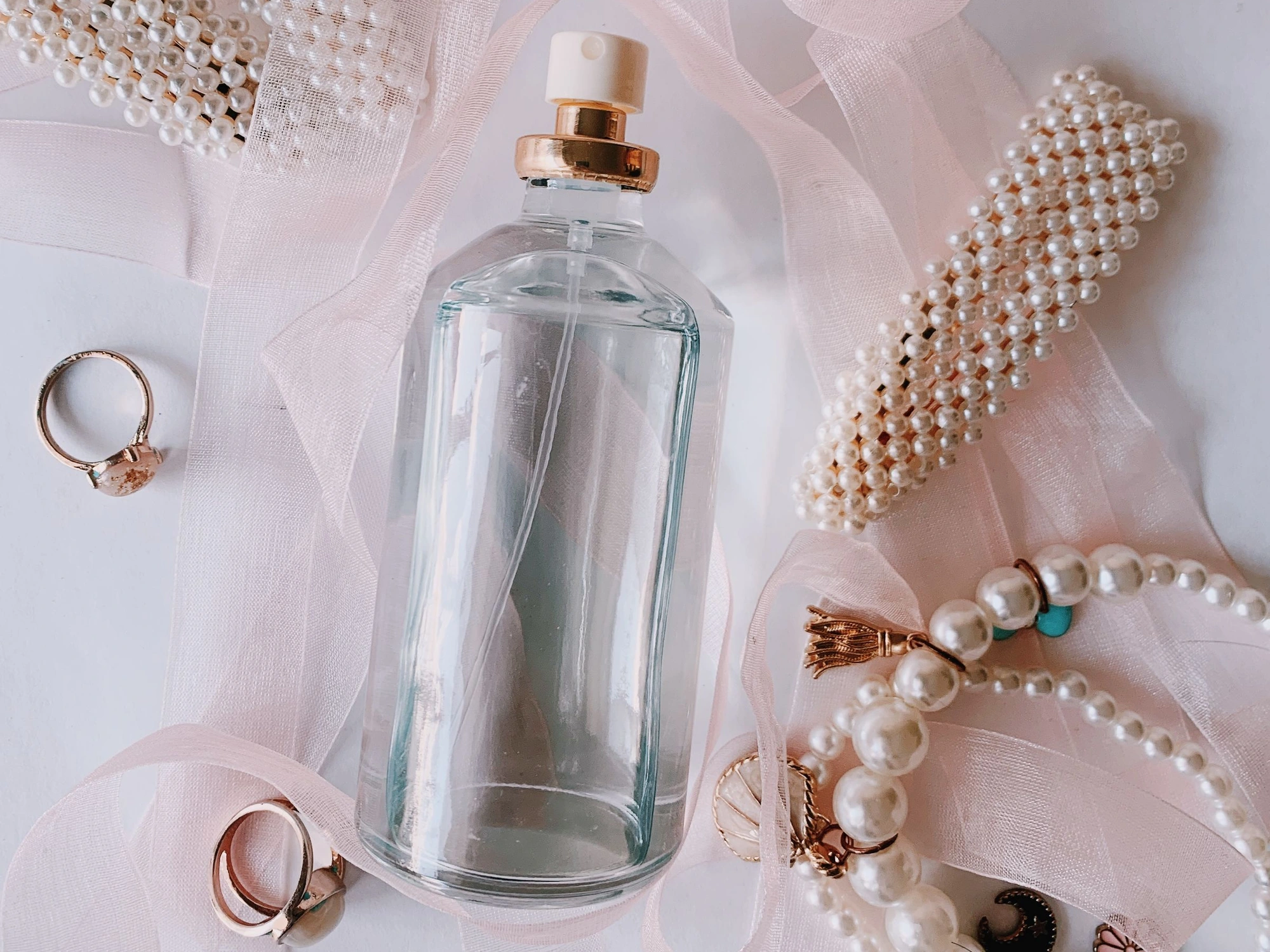
A final mist of perfume, a little hand cream or a quick wipe of the kitchen counter can bring diamond jewelry into contact with products it does not need. Some leave a film that makes a stone look less bright; others can affect the metal setting, a surface treatment or another gemstone in the same piece.
Good diamond jewelry care starts with knowing what your whole piece contains. Use this guide to decide which sprays and products to keep away from your jewelry, when to ask for advice and how to make a simple daily routine easier to follow.
Perfume, Hairspray and Beauty Sprays
Put on jewelry after applying perfume, hairspray and other beauty sprays, once the products have dried. Avoid misting necklaces, earrings or rings directly. Taking pieces off first is an easy way to limit unnecessary contact.
Do not confuse a film on an untreated diamond with permanent damage to the diamond itself. Care needs vary across the whole piece: perfume and cosmetics can be especially damaging to pearls and other delicate or porous gems. That matters when diamonds appear alongside those materials. GIA's jewelry care guidance explains why chemical exposure needs a material-specific approach.
Lotions, Creams and Oily Residue
Skin oils and beauty-product residue can collect around a diamond and its setting. Remove rings before applying rich hand creams or body lotions, then put them back on once your hands are clean and dry. Keep a small jewelry tray away from the sink so taking a ring off does not mean leaving it beside an open drain.
If your jewelry looks dull, avoid responding with a stronger cleaner. For a suitable, secure piece, gentle cleaning may be enough to remove buildup. Read our guide to cleaning and caring for diamond jewelry for a step-by-step routine.
Bleach and Chlorine: Keep Them Away From Settings
Do not use chlorine bleach to clean diamond jewelry. Chlorine can damage metals used in gold alloys, so the setting may be vulnerable even when the diamond looks unchanged. Remove jewelry before using bleach-based household cleaners.
The same care applies before swimming in a chlorinated pool or using a hot tub. Choose a secure storage place before you leave home. GIA's travel and jewelry guidance notes that chlorine can affect alloys used in diamond settings and may compromise prongs.
Toothpaste, Scouring Powders and Abrasive Scrubs
Toothpaste is not a jewelry polish. Abrasive cleaners can scratch gold and other metals, even though diamond is highly resistant to scratching. Avoid scouring powders, rough scrub pads and homemade abrasive pastes.
A hard tool is not a good substitute for a gentle brush. Do not pick at residue beneath a setting with a pin or force a brush between small stones. If normal cleaning does not help, ask a jeweler to inspect the piece. GIA's diamond-cleaning advice specifically cautions against bleach and abrasives, including toothpaste.
Glass Cleaners, Ammonia and Strong Cleaning Solutions
A product made for a window or worktop is not automatically suitable for a ring. Do not choose a household spray as a jewelry cleaner simply because someone recommends it online.
Ammonia needs a more precise distinction: some mild ammonia-containing solutions may be suitable for certain untreated diamond pieces, but that does not make every ammonia product appropriate for every setting. Coatings, delicate companion gemstones, vintage construction and other materials can change the answer. Ask your jeweler before using a solution you have not been advised to use. See GIA's cleaning myths and guidance.
Keep cleaning products in their original labeled containers. Do not mix household chemicals to make a jewelry-cleaning recipe.
Read Jewelry-Cleaner Labels Before Buying
The words “jewelry cleaner” do not establish compatibility with your specific piece. Look for clear instructions that cover the metal, all stones, any known treatments and the method of use. If a label excludes a material in your jewelry, choose another approach.
Before asking a specialist for advice, gather the product name, ingredient label and the jewelry's available specifications. A photo can help explain the design, but it cannot establish every treatment or prove that a setting is secure.
Ultrasonic and steam equipment also need a suitability check. A device being used professionally does not mean the same method is appropriate for unsupervised home use.
A Practical Routine for Avoiding Product Exposure
- While getting ready: finish skincare, perfume and hair products before putting jewelry on.
- Before housework: remove rings and bracelets and put them in a designated safe place.
- Before swimming: leave jewelry securely stored instead of taking it into the pool.
- After wearing: check for visible residue or a change in the setting, and follow the care instructions supplied with the piece.
- Before trying a new cleaner: confirm that it suits the complete piece, not just its main stone.
Keep normal handwashing and hygiene routines. If a ring needs to come off, use a secure place to hold it and put it back on once your hands are dry.
What If a Spray Gets on Your Diamond Jewelry?
Stop the exposure and check the product label and your jewelry's care instructions. Do not try to neutralize one chemical with another. If you are unsure what the piece contains or how it should be cleaned, contact a jeweler with the product details.
Set the jewelry aside if you notice discoloration, a roughened surface, snagging or movement in a stone. Persistent cloudiness also deserves inspection rather than repeated, increasingly harsh cleaning. You can request jewelry care guidance or visit our jewelry care guide.
Photography Credits
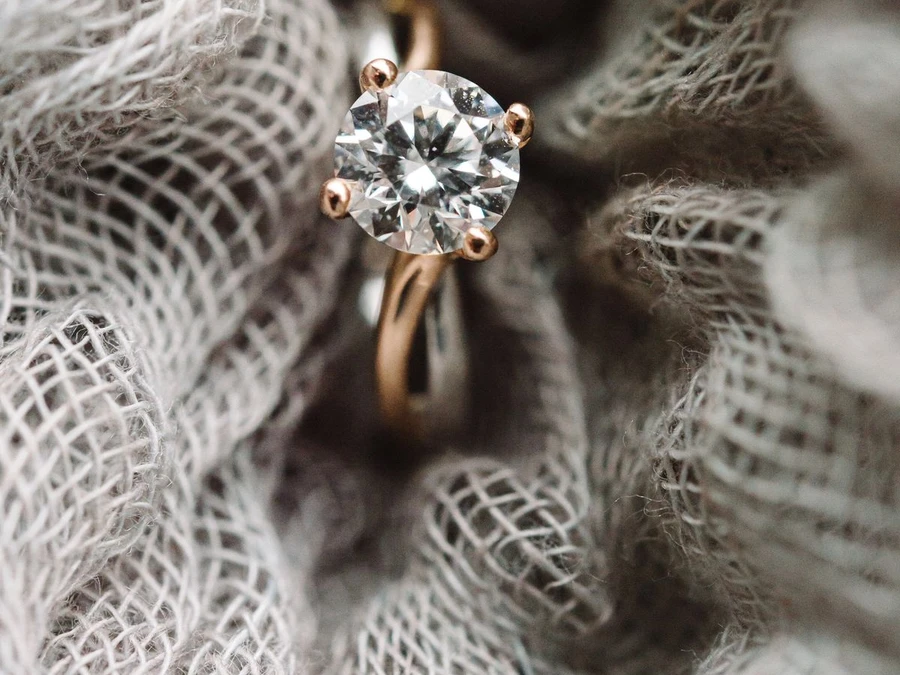
Banner photograph: Dina Nasyrova / Pexels. Thumbnail photograph: The Glorious Studio / Pexels. Real photographs used under the Pexels License, cropped and resized. Images illustrate the topic; no claim is made about the pictured perfume brand, and the jewelry is not presented as a specific aRK product.
Short Summary
Keep perfume, hairspray, bleach and abrasive cleaners away from diamond jewelry. These products can leave residue or damage parts of the piece, including its metal and setting. Put jewelry on after applying cosmetics, remove it before cleaning tasks and use care methods appropriate to the entire piece.
Frequently Asked Questions
Can perfume permanently damage a diamond?
Direct perfume contact is worth avoiding, but it is misleading to say every spray permanently damages an untreated diamond. Residue, the setting, any treatments and other gemstones all need consideration.
Should I remove my diamond ring before applying lotion?
Yes, removing it helps keep cream out of the setting. Store it securely and replace it after your hands are clean and dry.
Can I use toothpaste to make a diamond ring sparkle?
Avoid toothpaste and abrasive polishing recipes. The metal can scratch even when the diamond itself is hard.
Is every ammonia-based jewelry cleaner unsafe?
No. Suitability depends on the formula and the complete piece. Obtain material-specific guidance rather than using an unfamiliar household spray.
Can I wear diamond jewelry in a pool?
Remove it before entering a chlorinated pool or hot tub. Chlorine can affect alloys used in settings.
What is the safest next step if I am unsure about a cleaner?
Do not test it on the jewelry. Share the cleaner's label and the piece's specifications with a qualified jeweler before proceeding.
Related products & services
Explore pieces and guidance connected to this article.
Loading related pieces�