THE aRK JOURNAL / STYLE & GUIDANCE
Tennis Bracelet Buying Guide: Carat Weight, Fit and Clasps
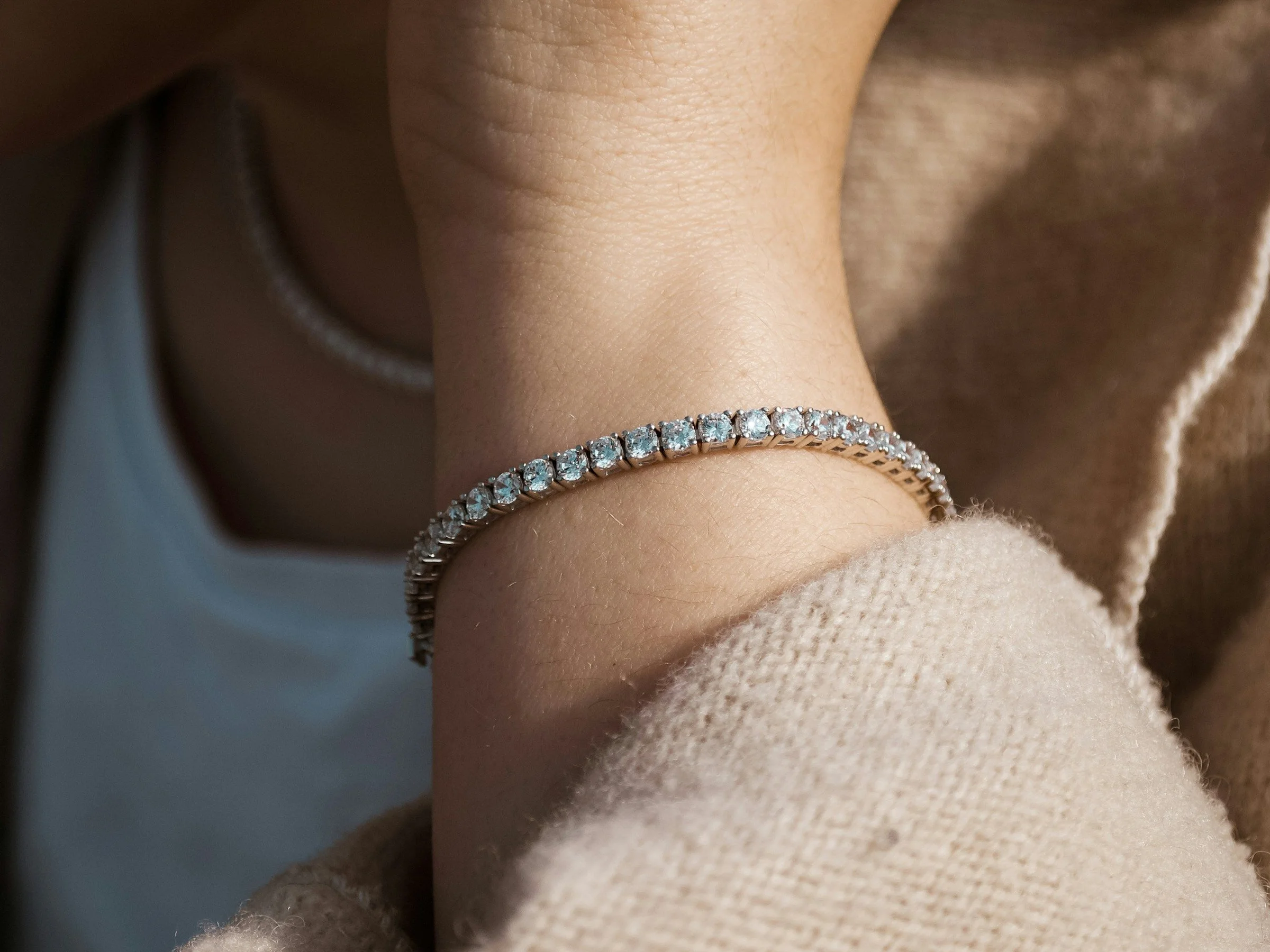
A tennis bracelet looks simple: one line of matching stones, wrist to clasp. That simplicity is why it goes with jeans as easily as black tie, and also why small differences in fit and build matter so much. If the bracelet is too loose, it spins. If the clasp is weak, it can fall off without you noticing. Here's what to check before you buy one for yourself or put one under the tree.
- Total carat weight tells you how bold the bracelet will look. For most people, 2 to 3 carats is plenty for everyday wear.
- Measure the wrist, then add about 1/2 inch for a close fit or 3/4 inch for a looser one. Seven inches is the most common length.
- A box clasp with a safety latch is the feature you shouldn't compromise on.
- Well-matched stones matter more than a top grade on any single stone.
Why Is It Called a Tennis Bracelet?
The name traces back to tennis champion Chris Evert. As the story goes, her diamond line bracelet came off during a U.S. Open match and she asked to pause play until it was found. Tellings differ on the year, but the name stuck, and jewelers have been selling "tennis bracelets" ever since.
How Many Carats Do You Need?
The carat figure on a tennis bracelet is the combined weight of every stone, so it's a guide to overall presence rather than the size of any one diamond. These are rough stone sizes for a 7-inch bracelet. Exact numbers vary by maker.
- 1 carat (stones around 1.8 mm): a fine, quiet line that's easy to stack with a watch.
- 2 carats (around 2.3 mm): clearly visible across a room but still easy to wear daily.
- 3 carats (around 2.7 mm): the classic look most people picture.
- 5 carats (around 3.3 mm): a real statement, best for dressier outfits.
- 7 carats and up (3.8 mm or more): red-carpet scale, and noticeably heavier on the wrist.
Longer bracelets hold more stones, so two bracelets with the same carat weight can have different stone sizes. If the listing gives the stone size in millimeters, compare that as well.
What Stone Quality Should You Look For?
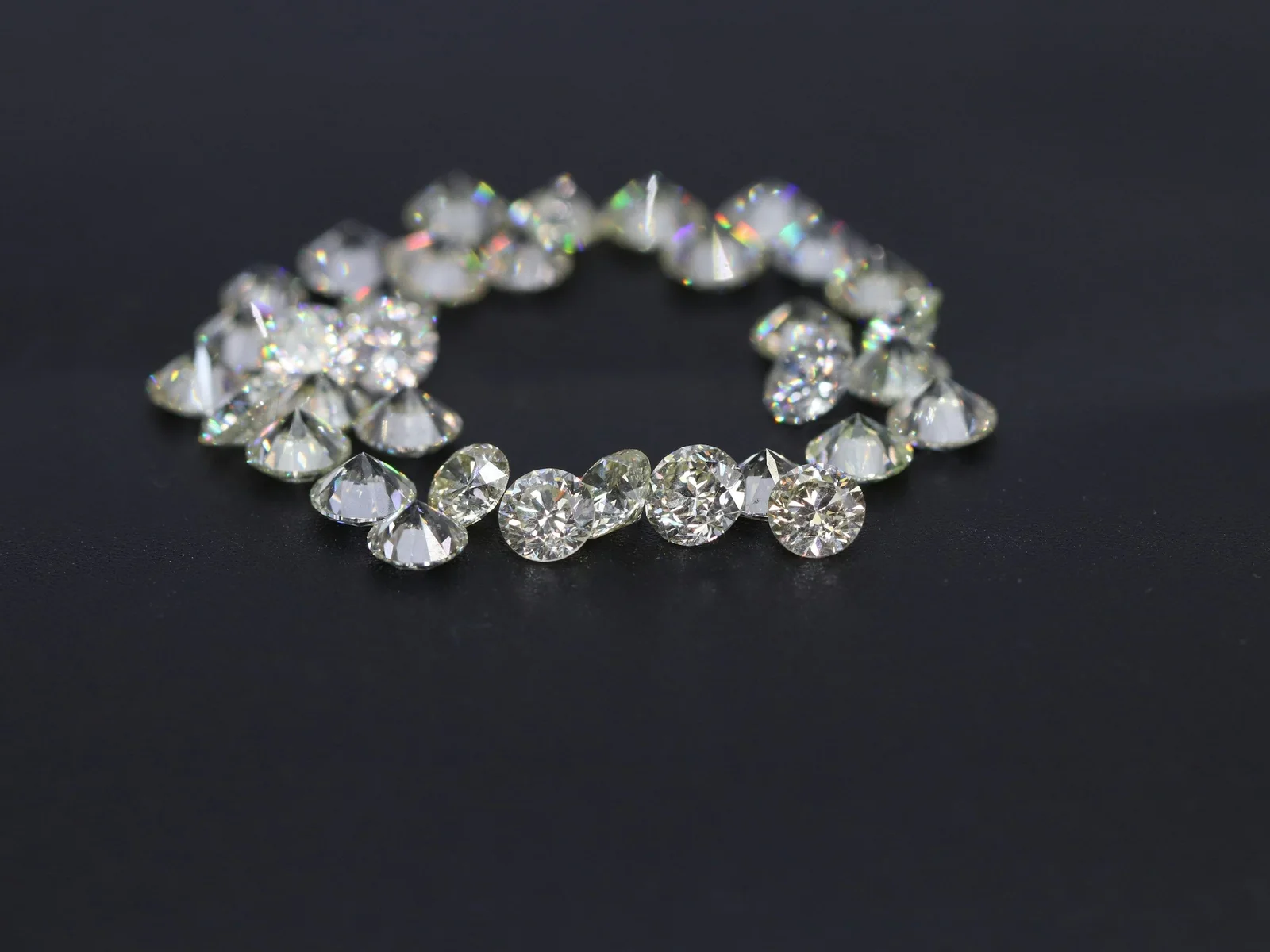
You'll rarely study one stone in a tennis bracelet. You see the whole line, and one yellowish or cloudy stone is what gives a cheap bracelet away. Consistency comes first.
- Color: G to I looks white in a bracelet, especially in white gold or platinum. Yellow gold is more forgiving of a slightly warmer stone.
- Clarity: VS to SI is a sensible range. Stones this small hide most inclusions from the naked eye, as long as none look milky.
- Cut: This is where the sparkle comes from, so ask about it. Our guide to the diamond 4Cs explains how the grades fit together.
- Paperwork: Small stones often aren't graded one by one, so ask whether the bracelet comes with a certificate or a written appraisal covering the piece as a whole.
Choosing between mined and lab-grown stones? Lab-grown diamonds usually give you more carat weight for the same budget. Our lab-grown diamond and moissanite comparison covers the tradeoffs.
How to Size a Tennis Bracelet
- Wrap a soft tape measure around the wrist, just past the wrist bone. A strip of paper and a ruler work too.
- Add 1/2 inch for a close fit or 3/4 inch for a looser drape.
- Choose the closest length, usually 6.5, 7 or 7.5 inches. If you're between sizes, go up, since a tight bracelet puts strain on the clasp.
Buying a surprise gift? Measure a bracelet they already wear, laid flat from end to end. If you can't get to one, 7 inches fits most women, and many jewelers can add or remove links later. Confirm this before you pay.
Settings and Clasps: Where Bracelets Fail
A tennis bracelet flexes every time you move, so the hardware takes more wear than the stones do.
- Four-prong: The most common choice. It lets in plenty of light, but prongs can catch on knits, so check they're smooth.
- Three-prong or shared-prong: Less metal and a more continuous line of sparkle, with slightly less protection for each stone.
- Bezel: Metal circles each stone. It's the most snag-resistant option and good for active days, with a little less brilliance.
- Clasp: Look for a box clasp that clicks shut, plus a figure-eight latch or safety chain as backup. A clasp should never be the only thing holding the bracelet on.
Before you buy, hold the bracelet up and let it hang. It should move like a chain, with no stiff sections or gaps between links. For the metal, 14K is the practical pick for something worn this often. Here's how 10K, 14K and 18K gold compare.
Everyday Care
- Snap the clasp and tug it gently every time you put the bracelet on.
- Take it off for the gym, yard work and swimming.
- Soak it in warm water with a drop of mild dish soap, then brush gently with a soft toothbrush and dry it well.
- Have a jeweler check the prongs, links and clasp once a year.
- Store it flat and apart from other pieces, since diamonds can scratch softer jewelry.
Shop Tennis Bracelets
Ready to compare styles? Browse our bracelets and check the stone size, length and clasp details on each one. If you're shopping for the holidays, order early so there's time to adjust the length before the big day.
Banner photograph: Giustina Barison on Unsplash. Thumbnail photograph: PRAHANT STUDIO on Unsplash. In-article photograph: sameer Ali on Unsplash. Real photographs used under the Unsplash License.
Short Summary
A tennis bracelet looks simple: one line of matching stones, wrist to clasp. That simplicity is why it goes with jeans as easily as black tie, and also why small differences in fit and build
No FAQs have been added to this article yet. Ask a jewelry specialist.
Related products & services
Explore pieces and guidance connected to this article.
Loading related pieces…
Related blogs
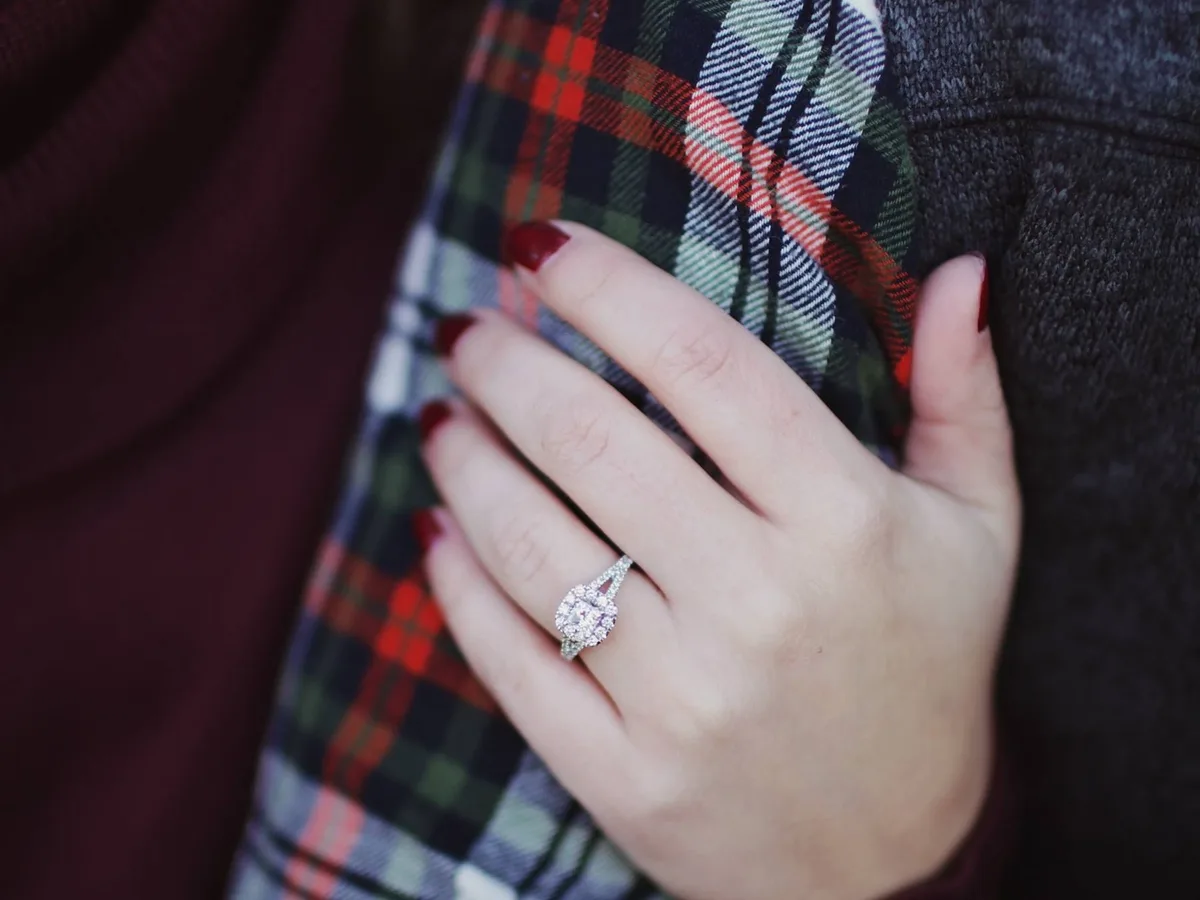
Engagement Ring Settings Guide: Prong, Bezel, Halo and Pavé Explained
Most engagement-ring shopping starts with the diamond. The setting, though, is what you see every time you look at your hand. It decides how big the stone looks, how much it catches on sweat
Read article →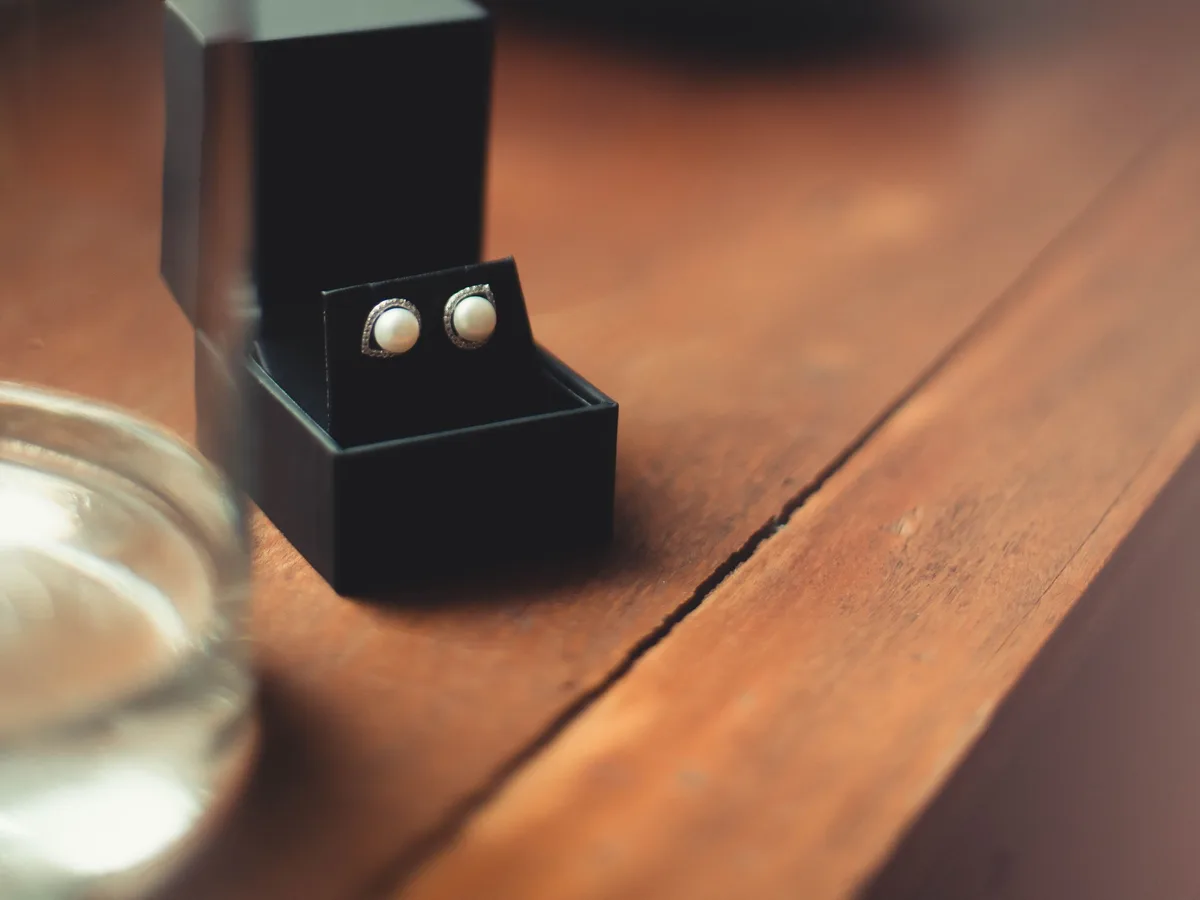
Pearl Jewelry Guide: Types, Quality and How to Care for Pearls
Pearls used to mean one thing: a strand your grandmother wore to church. These days they turn up on paperclip chains, mismatched in a single ear, and stacked with gold. They're the only gem
Read article →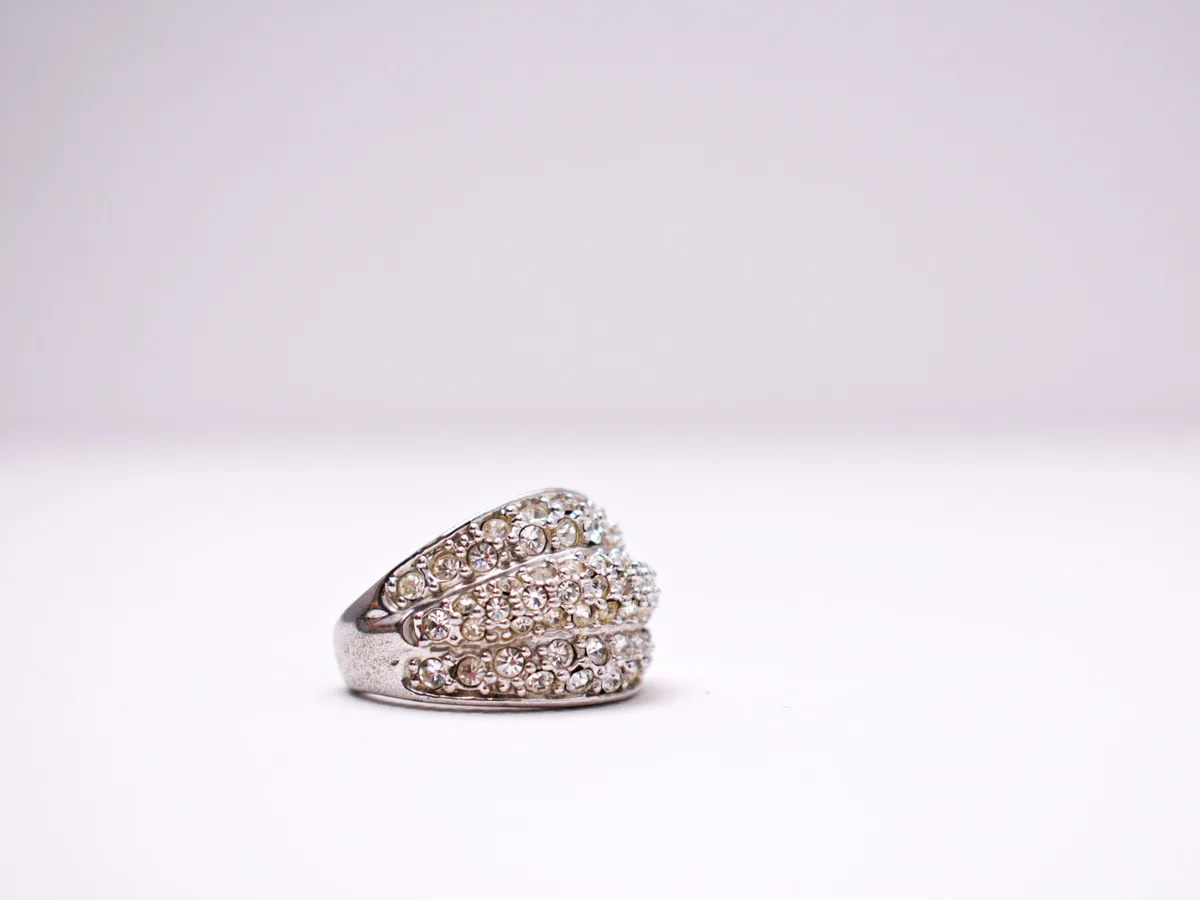
Diamond Shapes Guide: How to Choose the Right Cut for Your Style
Ask ten people to describe their dream diamond and you'll hear about shape long before carat or clarity comes up. Shape sets the personality of a piece. A round brilliant feels classic, an e
Read article →